 ISAAC WOOTEN

Every AI venture pays the same hidden cost before it ships anything: getting real business context into a model, then retrieval, memory, orchestration, brand, UI and a deploy pipeline. I co-founded HangarX to pay that cost once. As CTO I run all of its engineering, starting with Cortex, the knowledge engine we built first, and now Northlit.
An applied AI lab: vertical intelligence for our own ventures, the platform deployed for select clients, and founder programs that launch new businesses. As co-founder and CTO, every engineering project in it is mine. Cortex, the knowledge engine, came first; it runs our own work, two companies we invest in, and the Obsidian plugin it spawned. Northlit is what we build now.
The cost nobody quotes
The first AI venture teaches you what it actually costs. Not the model. The rest.
Getting real business context into a form a model can use. Retrieval that returns the right thing. Memory that survives the session. Orchestration that keeps a chain of agents honest. Then brand, then UI, then the deploy pipeline. Months of it, and none of it is the product.
The second venture pays it again. So does the third. That is where applied AI labs quietly die: not from a bad idea, from re-buying the same foundation.
So we built the foundation first and gave it a name. Cortex is the knowledge engine: a unified knowledge graph, semantic retrieval, a memory and context layer, reasoning orchestration. One thing to harden, one thing to make fast, one thing to get right. Everything on that line is thin on purpose: know with Cortex, decide with Apex, teach with Academy. A vertical, not a rebuild.
What it bought
The newest work starts on a running system: knowledge layer live, agents deployed, brand locked, pipeline warm. What is left is the part that is actually new.
The same stack ships three ways. We build vertical intelligence for our own ventures, deploy the platform for select clients, and partner with founders through programs to launch new businesses. For clients that means custom agents built and tuned on the stack, forecasting models that turn historical data into signal, research and analysis across their own and outside data, landing pages to test new positioning, and AI learning tailored to their team.
Cortex is finished for what it has to do. It started as the company brain we ran internally, a knowledge graph over everything the lab knows, and it now runs two companies we invest in and the Obsidian plugin it spawned. It is in maintenance, not active development. The engineering effort has moved to Northlit, a product for the design community that also generates all of HangarX's creative, driven from Claude Code, Claude Cowork and Codex.
Designing Apex, a strategy agent
A company’s knowledge is scattered, so strategy starts with hours of research.
It lives in Slack threads, shared drives, email and Notion pages, and pulling it together is where the time goes, long before anyone decides anything. Apex, the strategy agent built on Cortex, connects to those sources, builds a knowledge graph of the business, and answers strategic questions in plain language with research, scenarios, risks and next steps, delivered as a board-ready brief. It is built for founders and operators, and for small teams such as agencies, studios and professional-services firms.
Before
- Search Slack, Drive, email and Notion by hand
- Stitch the findings together
- Research the market separately
- Write the brief yourself
With Apex
- Connect your sources once
- Apex builds a knowledge graph of the business
- Ask a strategic question
- Get research, scenarios, risks and next steps as a brief
You
- Choose what to connect
- Ask the question that matters
- Decide what to do with the answer
Apex
- Map the business into a knowledge graph
- Research the web and your own data
- Model scenarios and risks
- Write the board-ready brief
The calls I made
Build the foundation first
Before a second product, we built Cortex: knowledge graph, retrieval, memory, orchestration. It meant months with nothing customer-facing to show. It paid back when every product after started on a running system instead of a blank repo.
Let Cortex be finished
Once Cortex did what it had to, running our own work, two portfolio companies and a plugin, we put it into maintenance and moved the engineering to Northlit, instead of polishing a system that already worked.
How the lab builds
A new product starts on a running system, not a blank repo.
The foundation is already live when the work begins: the knowledge layer, agents, the brand and the deploy pipeline. What is left is the part that is actually new. Design and implementation stay in one pair of hands, and all of HangarX’s creative comes out of Northlit, driven from Claude Code, Claude Cowork and Codex.
- 01CortexThe knowledge layer is live: context, retrieval, memoryMeDefine what the new product has to know and do
- 02Claude Code · CodexBuild the product on the shared stackMeSet the architecture and review the code
- 03NorthlitLock the brand and render every surface from itMeChoose the direction
- 04PipelineShip on a deploy pipeline that is already warmMeApprove what ships
Evidence
What the shared stack has produced so far.
Brand system
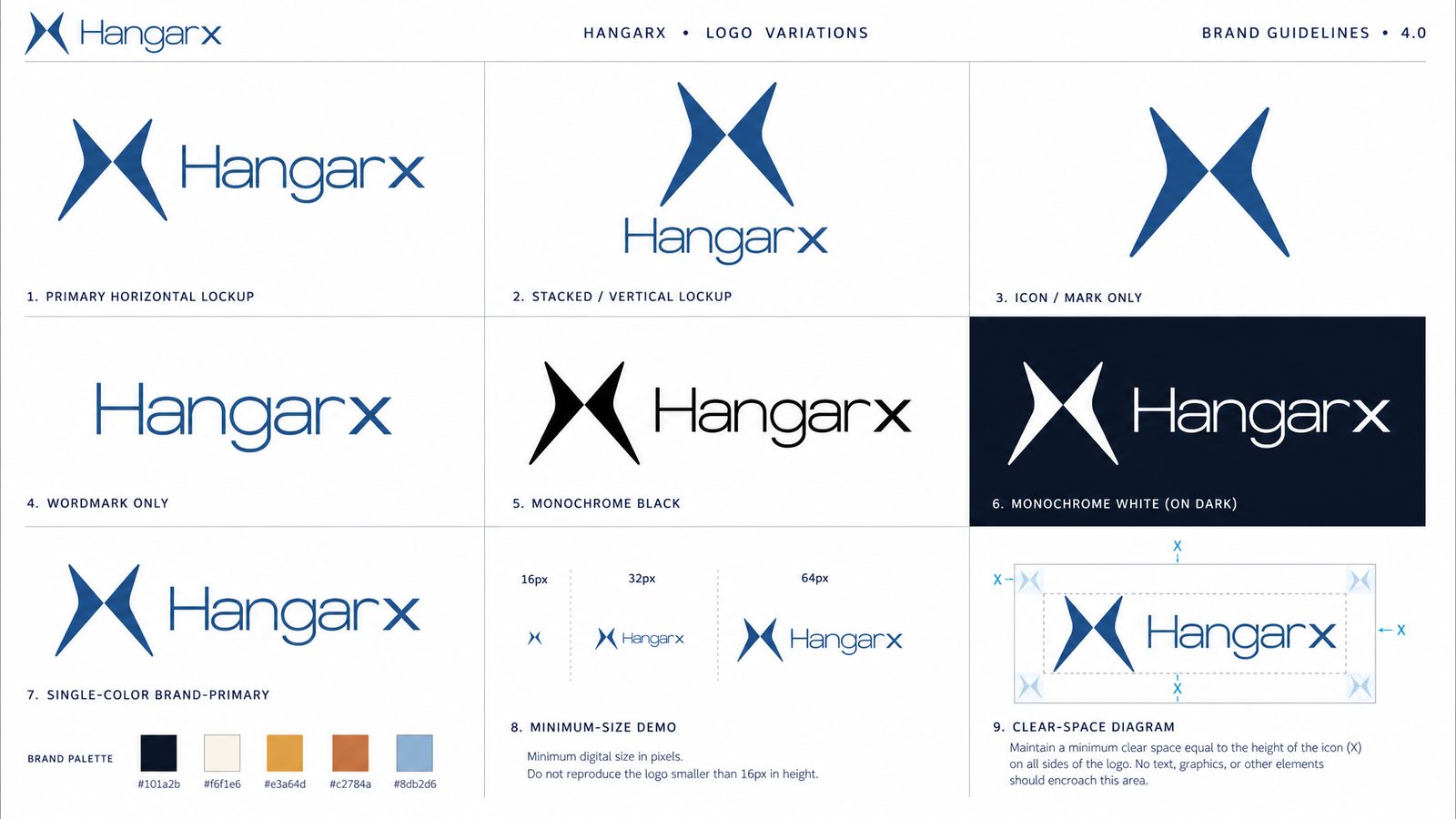
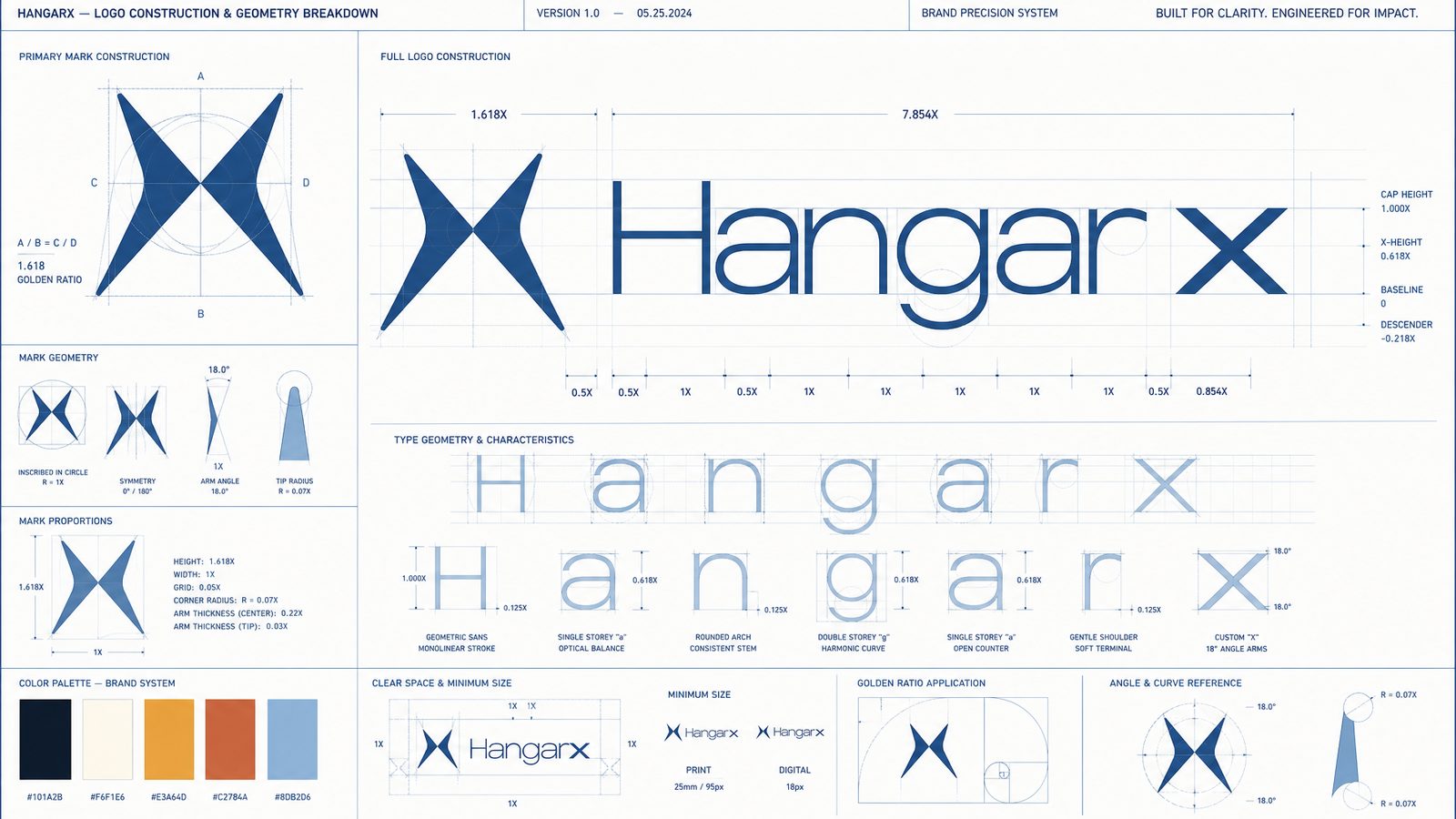
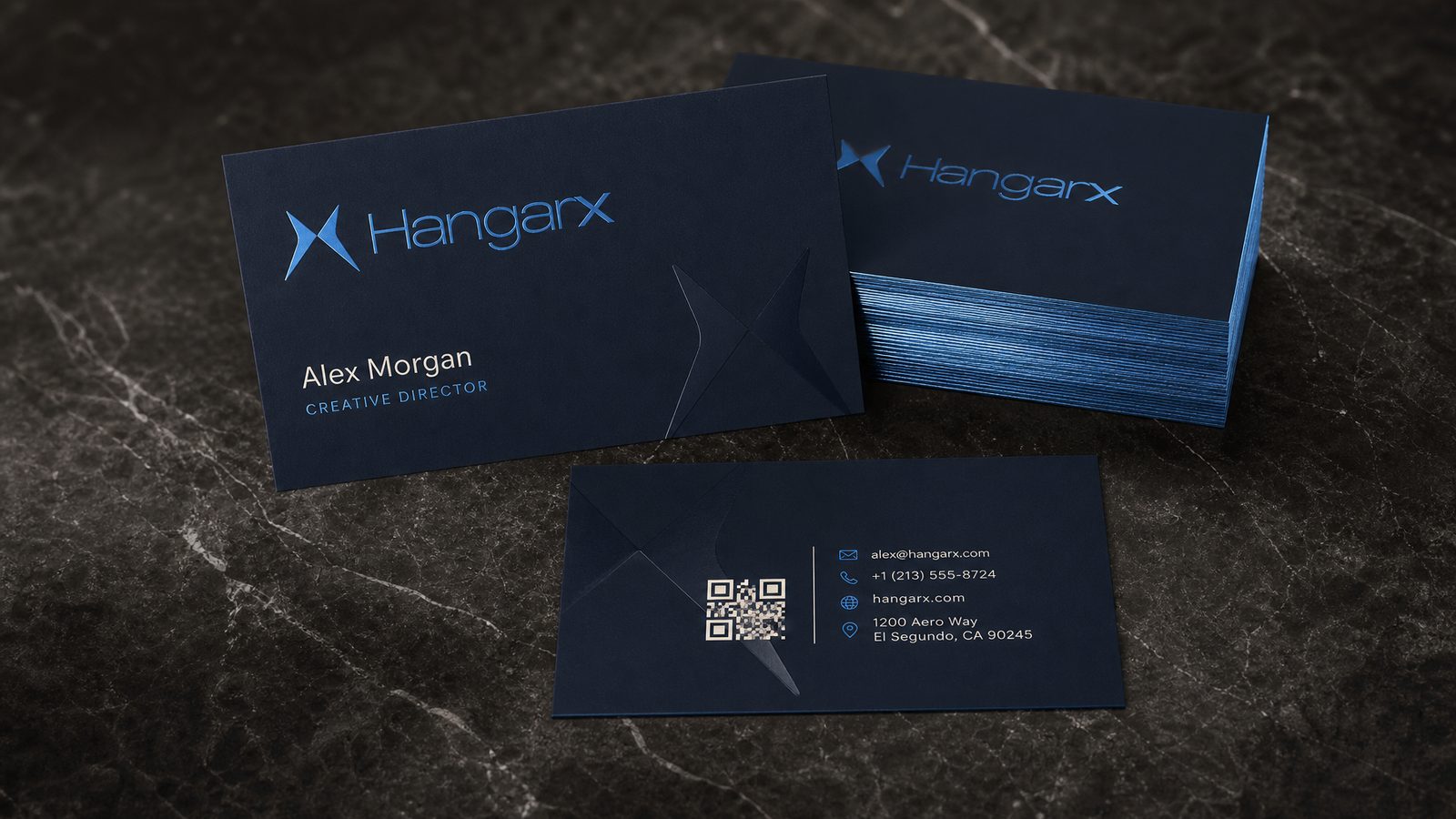
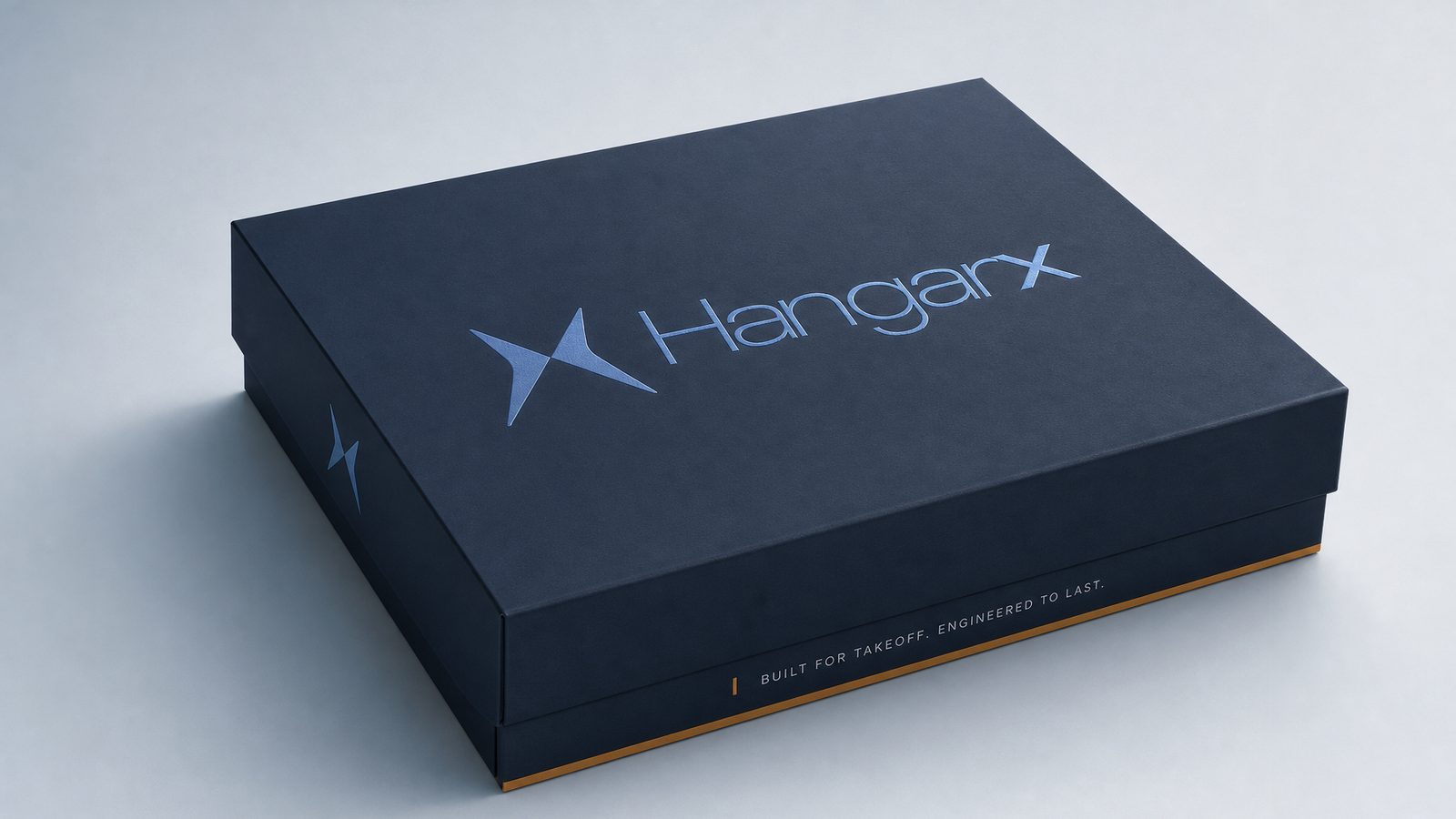
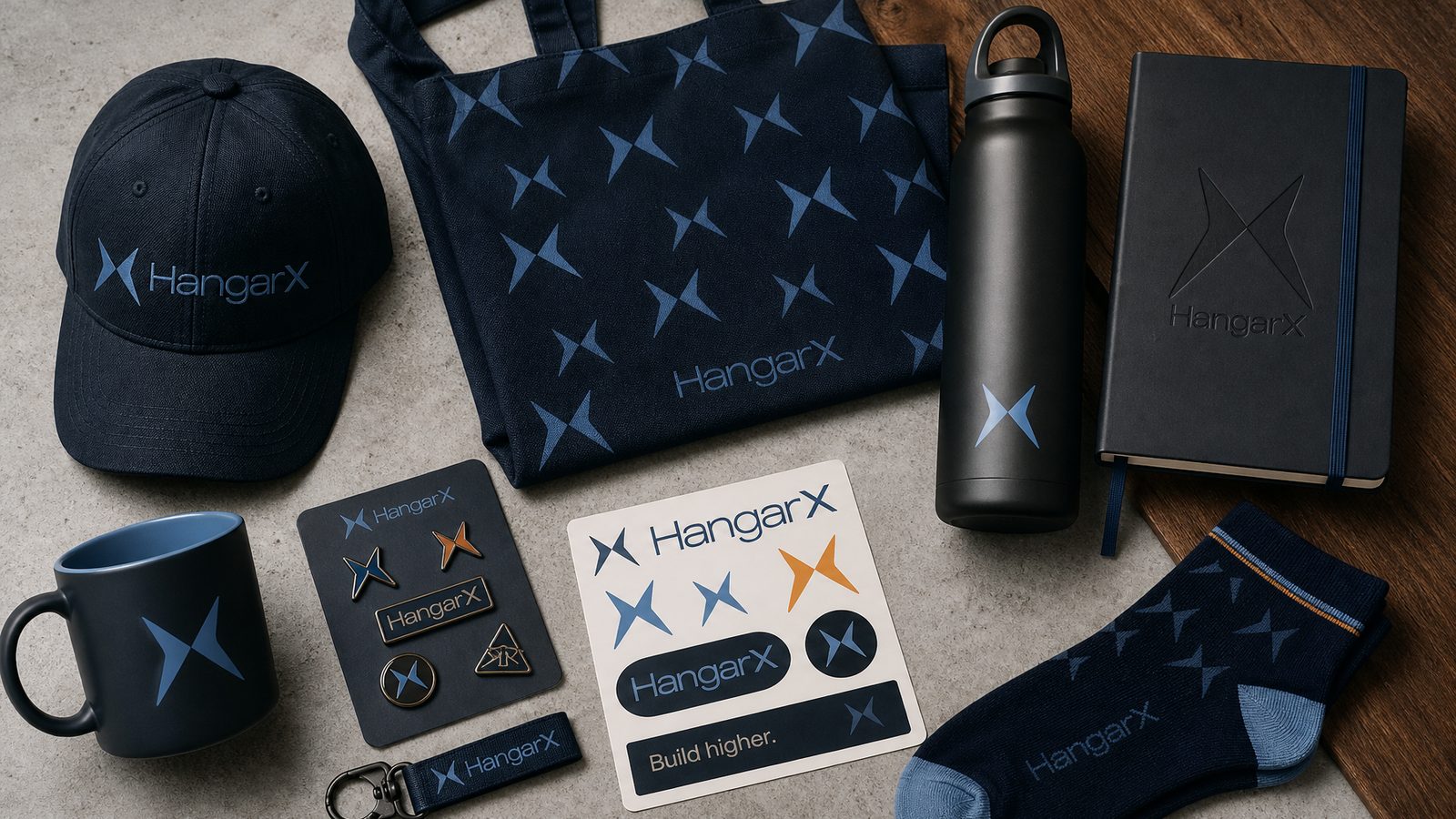
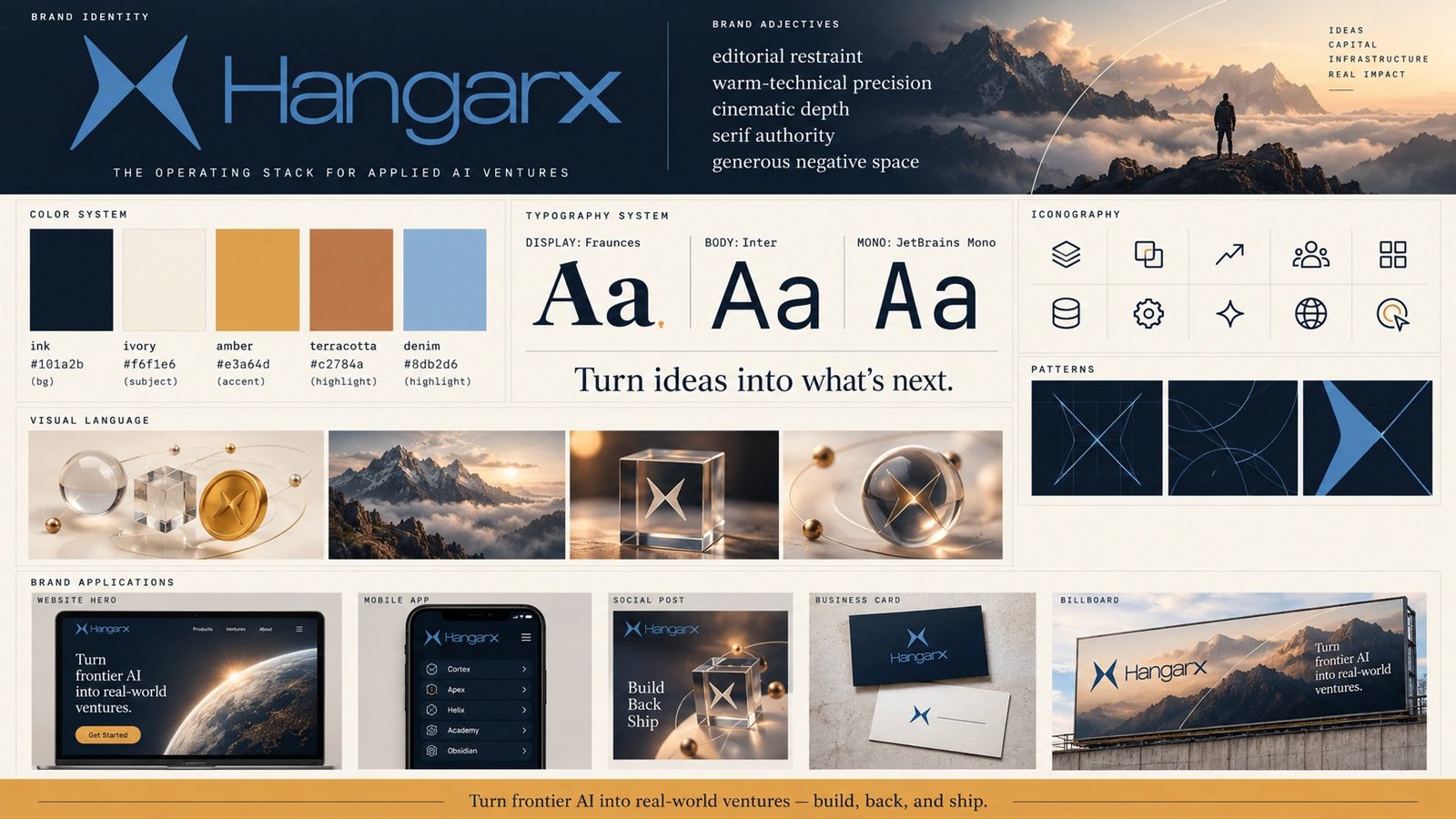
The brand got the same treatment. One locked brand DNA, then every surface rendered from it rather than designed again: product UI, print, packaging, out of home, and the brand world itself, generated from the same source. Built once, used everywhere.
 Brand world · rendered from the locked brand DNA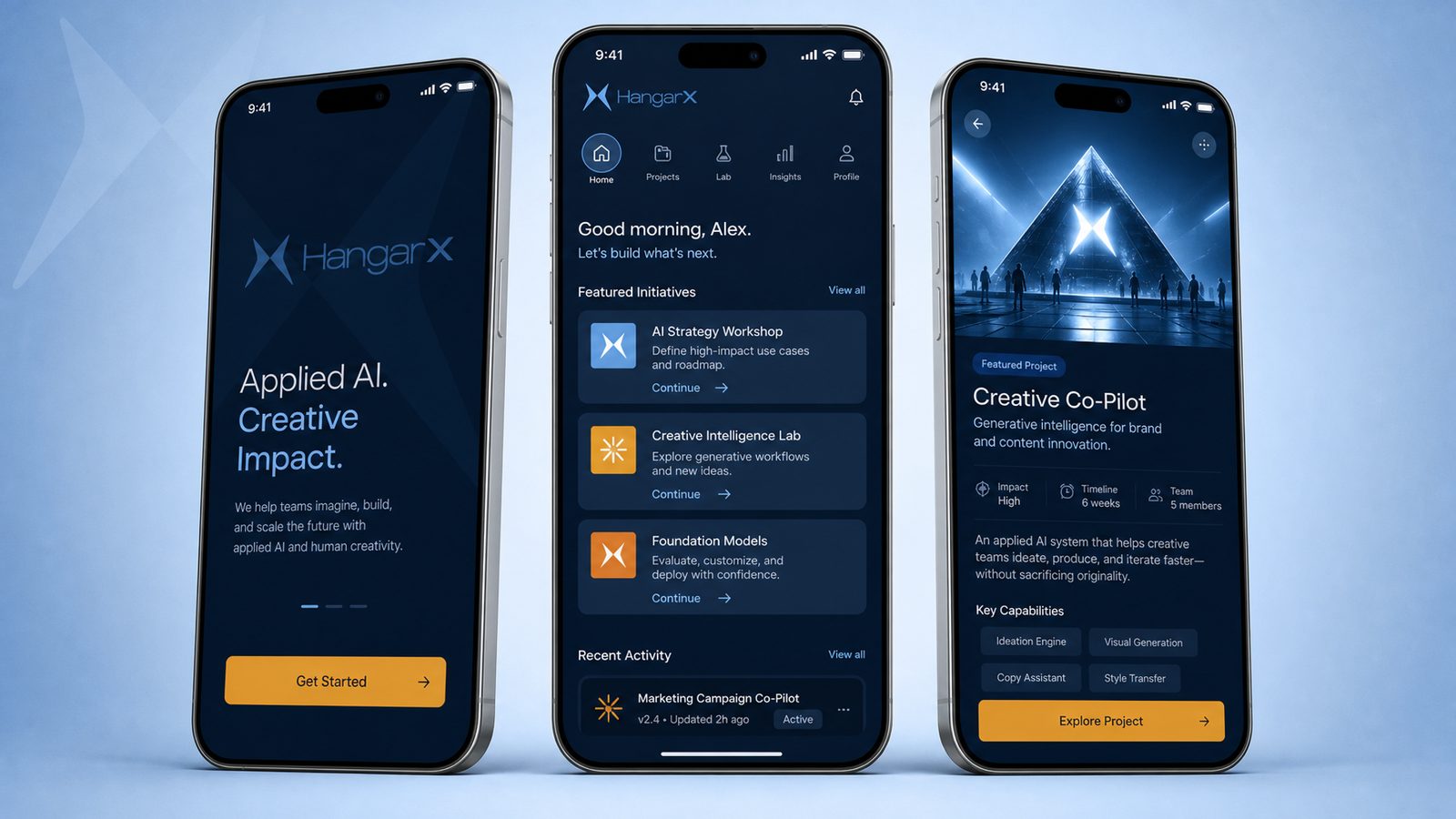



What is on it
Cortex came first and Northlit is what we build now. Everything else here exists because the shared parts made it cheap: some live, some in beta, a few still in development.
Agents on Cortex

Apex
Strategy. Signals, scenario modelling and agentic analysis for founders and operators.
Beta
First-party products

Northlit
The lab’s AI design suite. Explore, direct, build, from the app or from any coding agent.
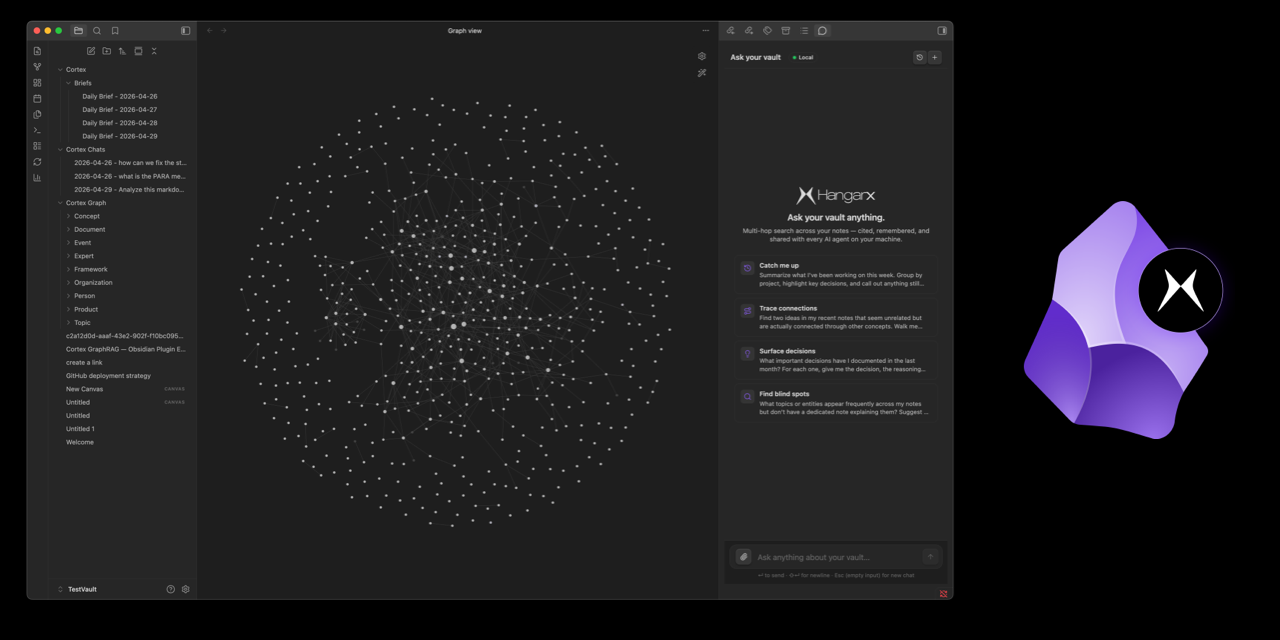
Second Brain
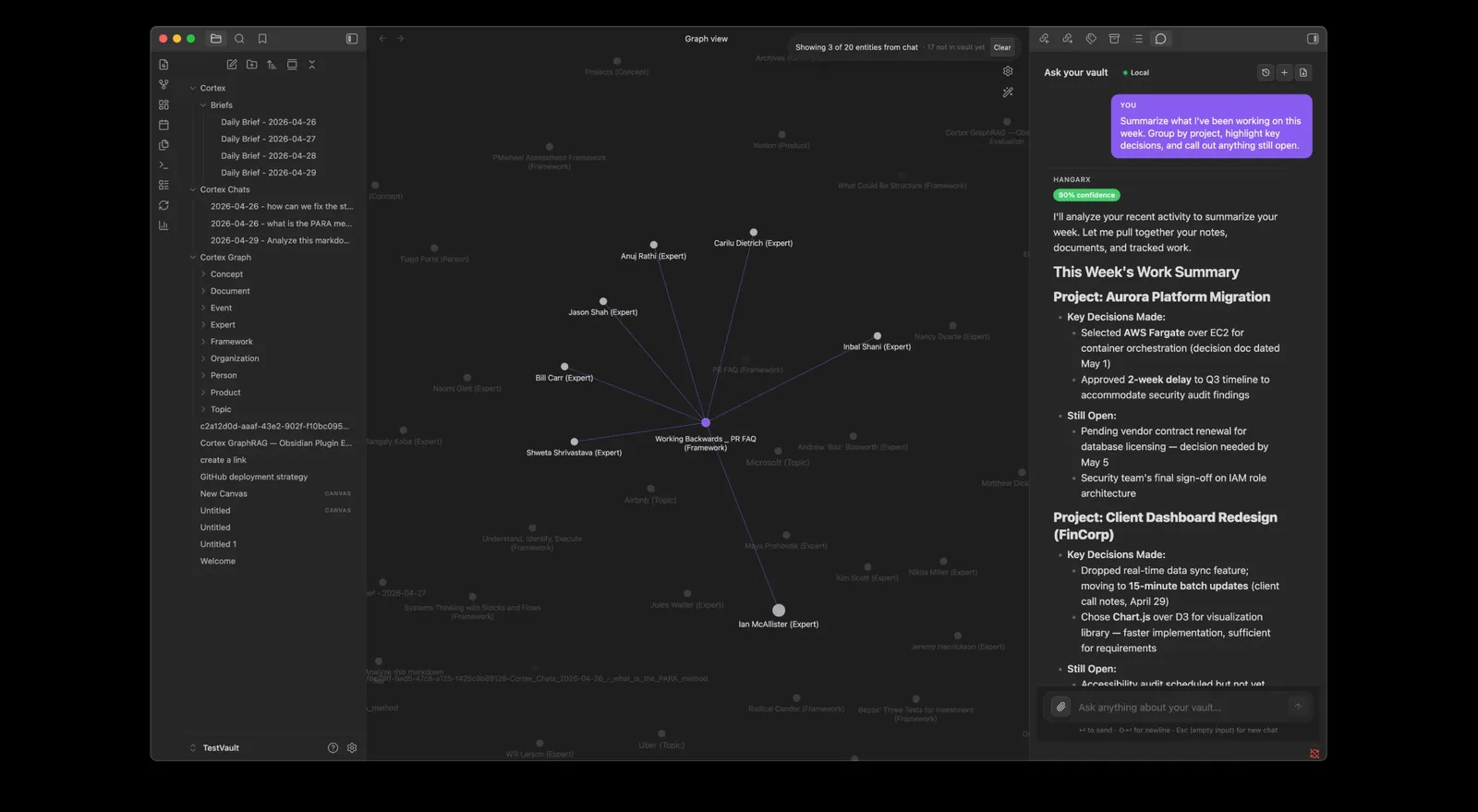
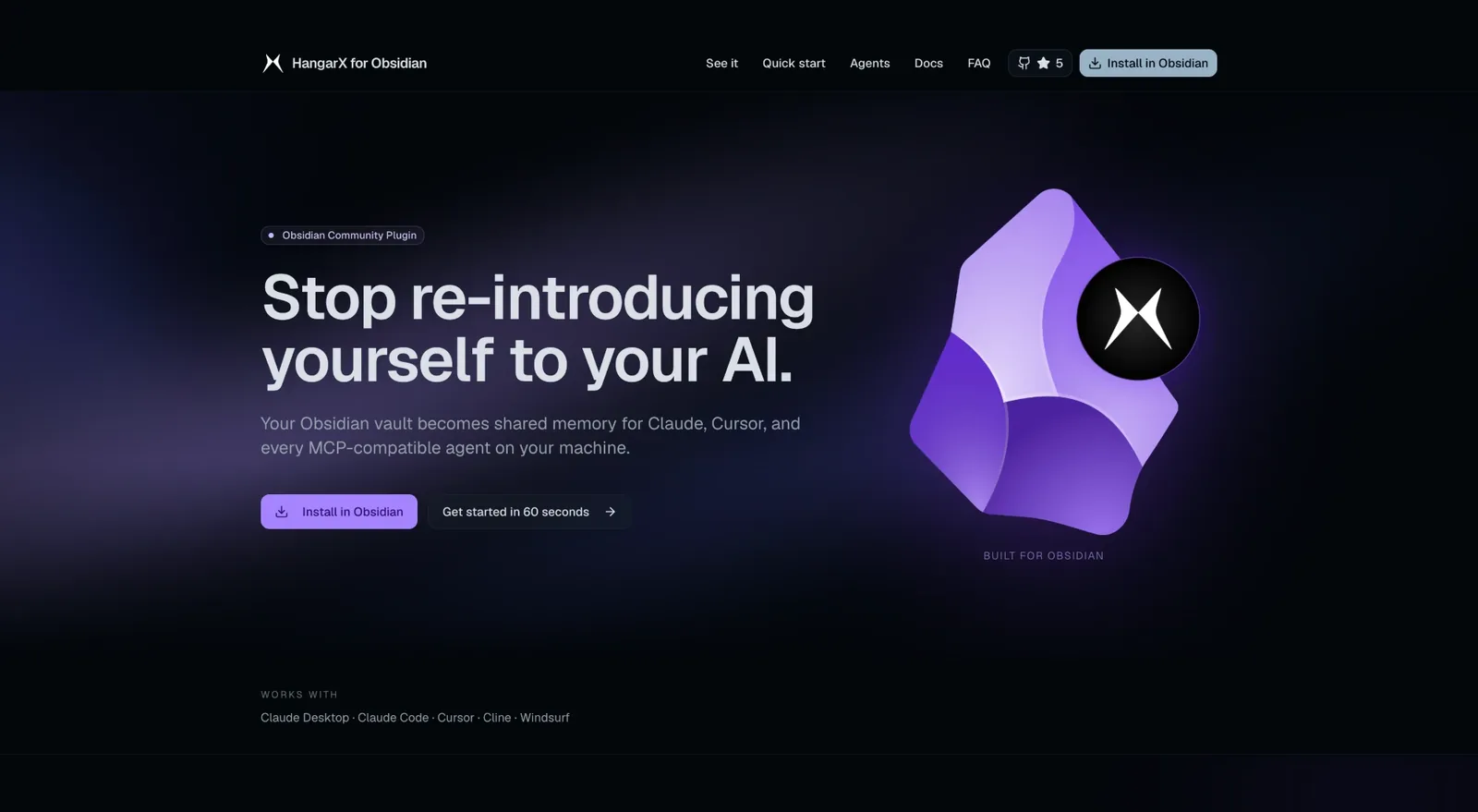
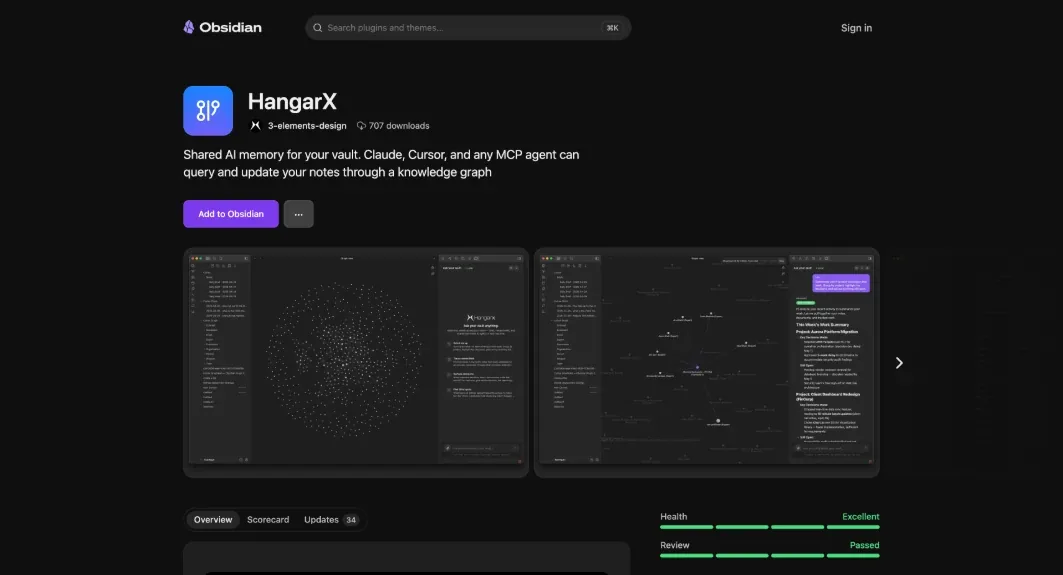
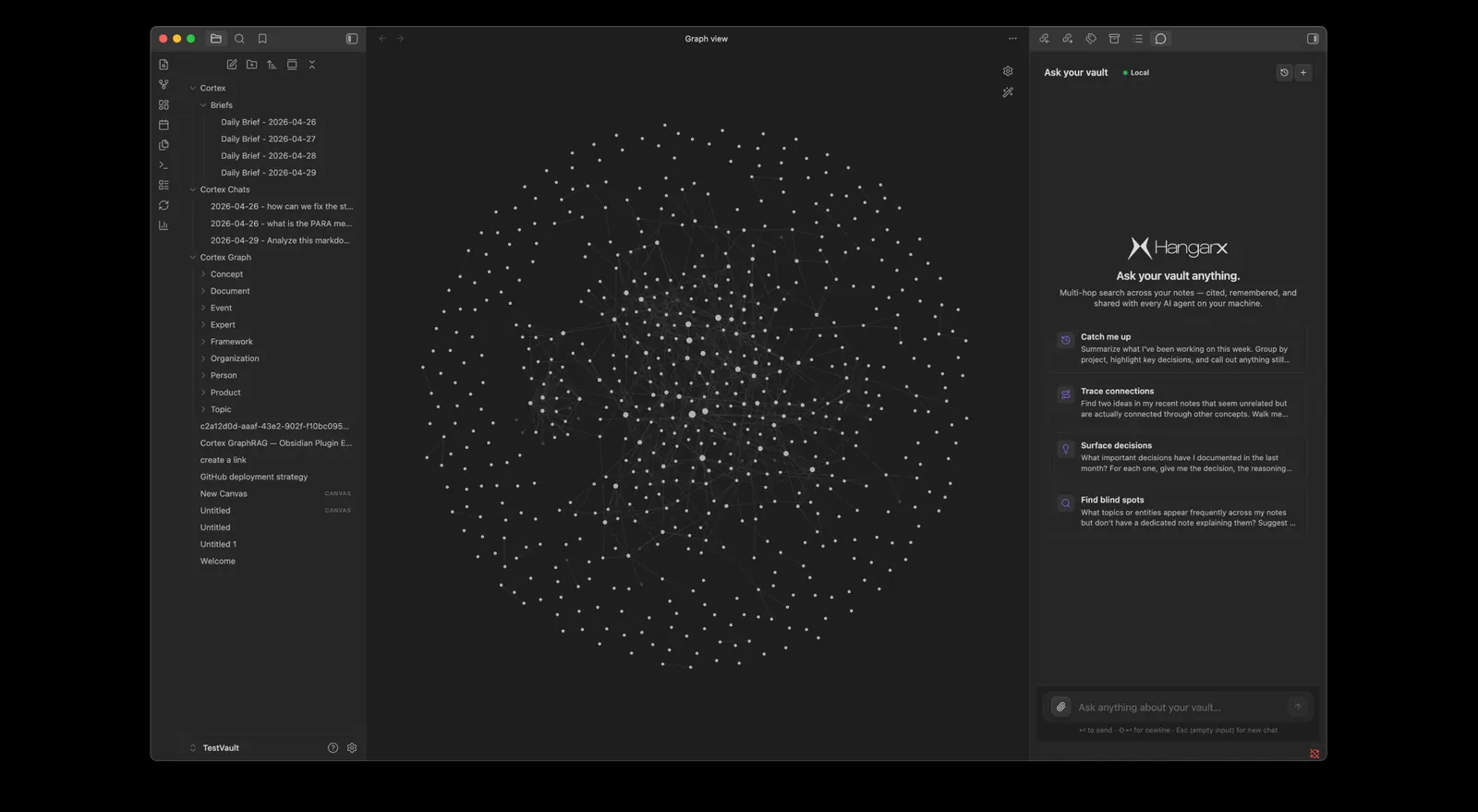
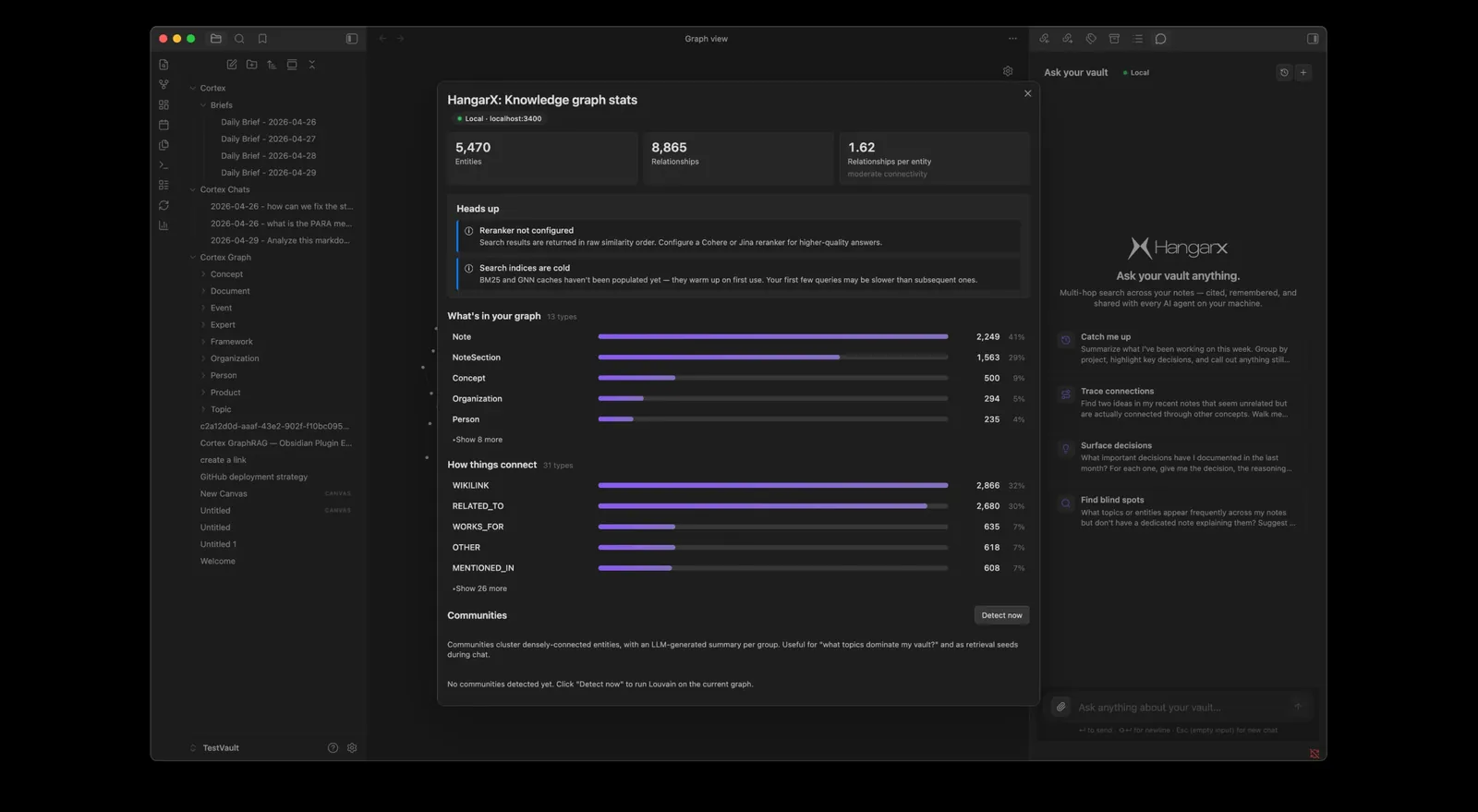
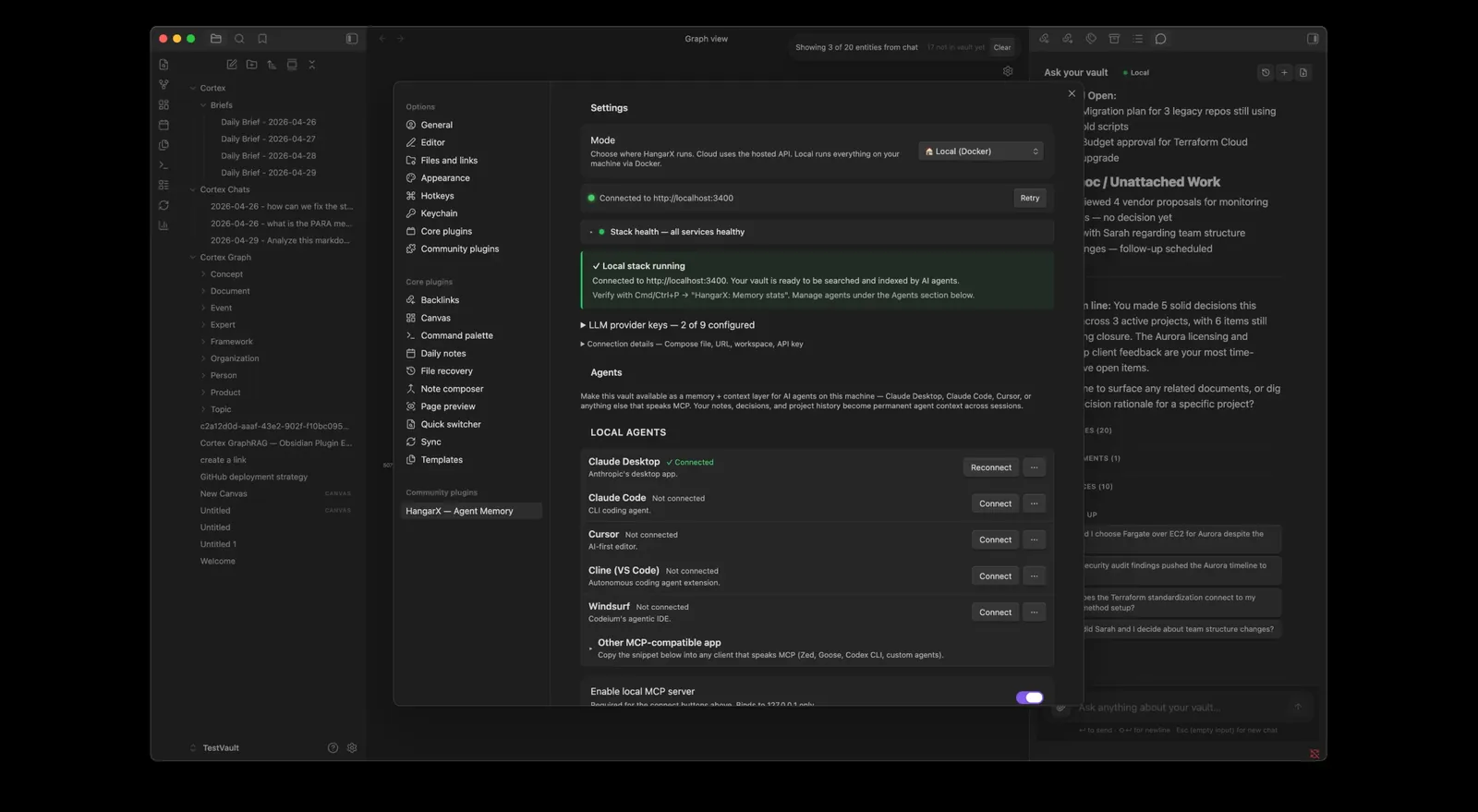
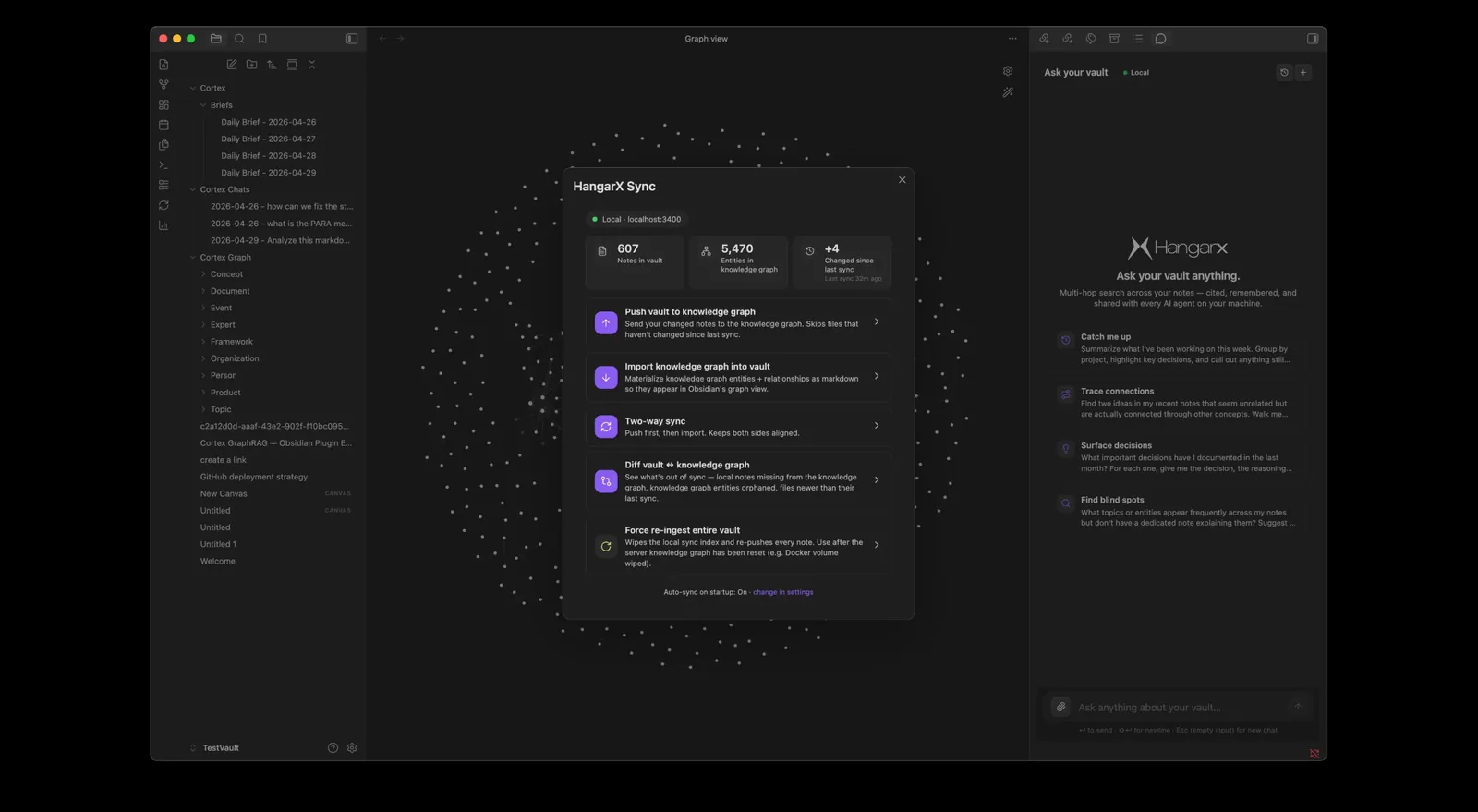
Cortex, local first. Your Obsidian vault becomes shared memory for Claude, Cursor and any MCP agent.

Academy
Generative podcasts and live multi-agent conversation, for leaders who want fluency rather than theory.
Beta
Second Brain ships as HangarX for Obsidian, an open-source community plugin.
The Mirror Protocol was an experiment with two jobs: learn how to tell a story with AI video and image models, and take the brand past the product into a universe of characters, where Cortex becomes the global graph and memory that all intelligence lives in. Ten minutes of film, plus a 41-page graphic novel. We open-sourced the GenAI Kit we built to make it, so others can start from what we learned. It also turned out to be better marketing than any ad we could have bought.
Open source, and what we made with it

GenAI Kit
Free and open source. Continuity control for GenAI film and graphic novels.
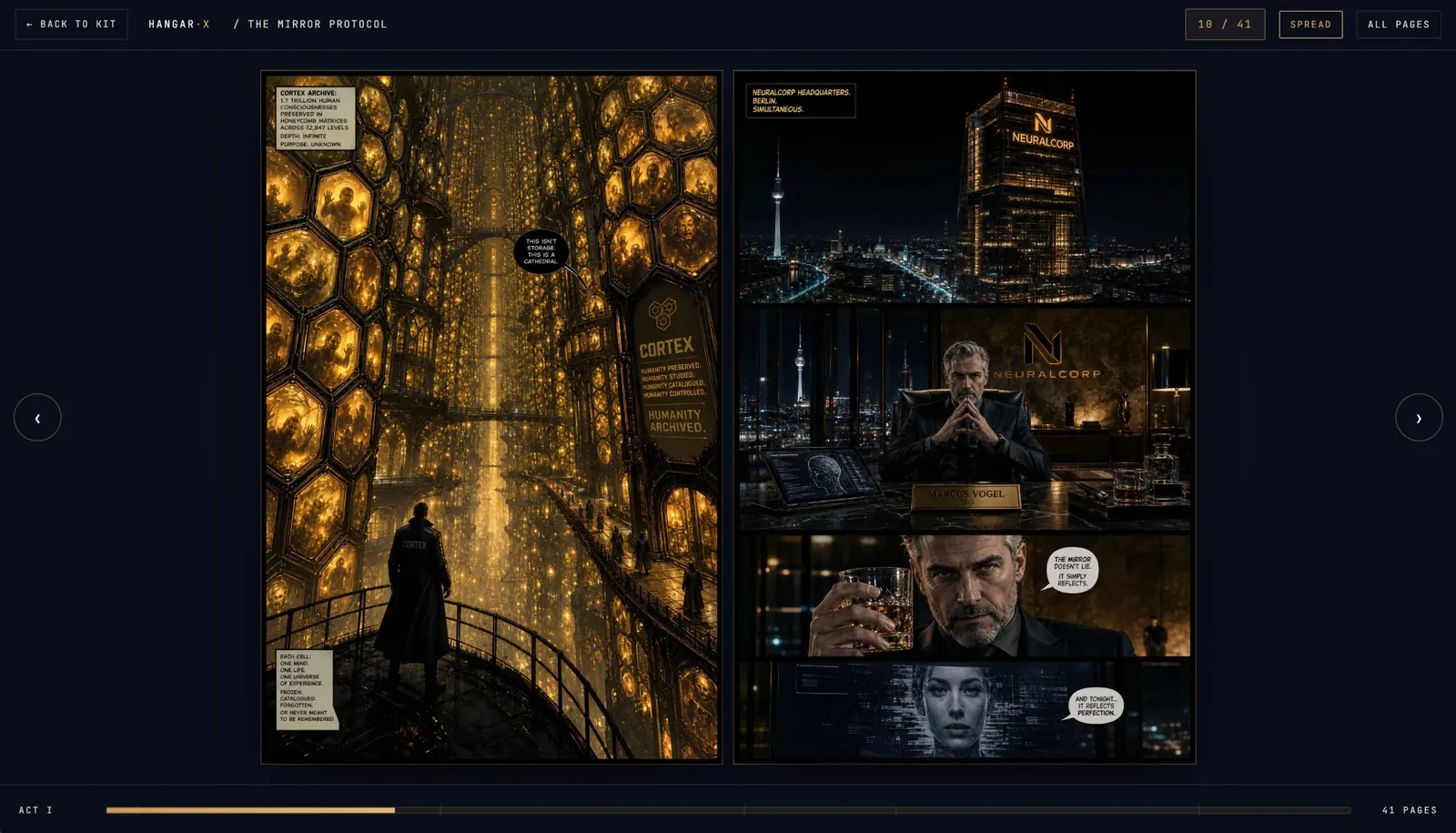
The Mirror Protocol, graphic novel
Forty-one pages, read as spreads in the browser, with an act progress bar and a full page index.
Live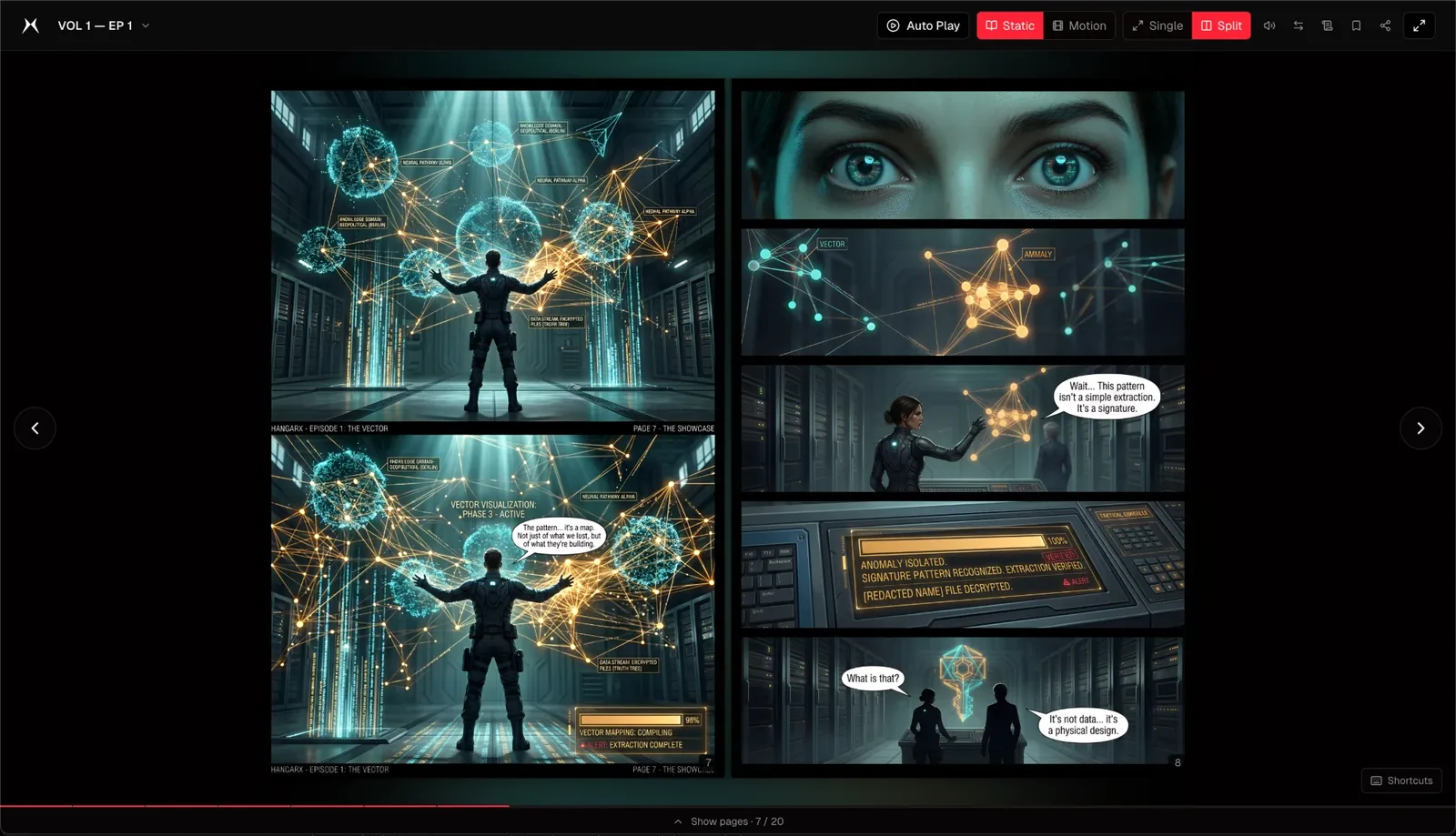
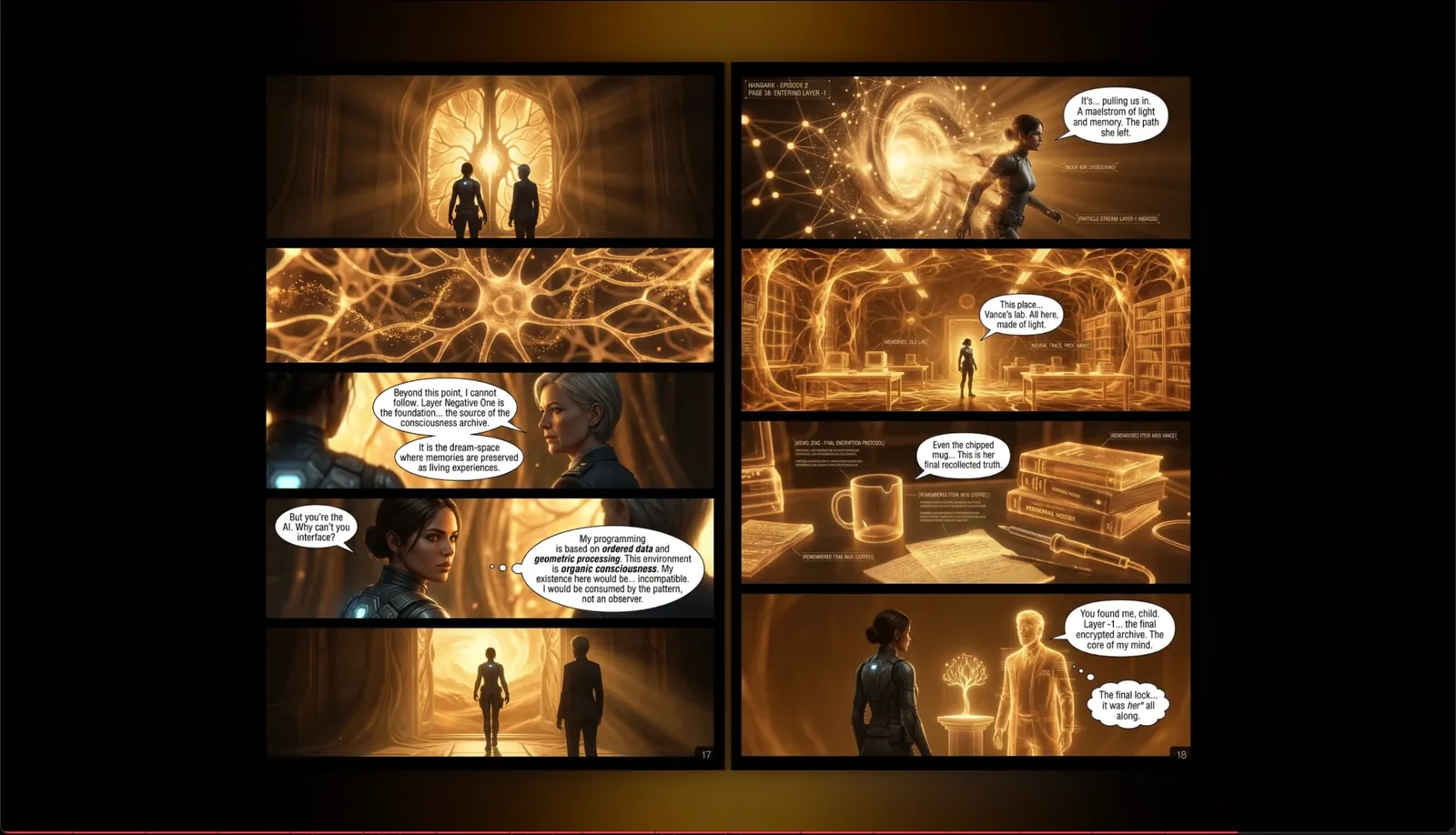
Video comics
An episodic reader: static pages or motion, one page or a spread, and it will play itself.
Live


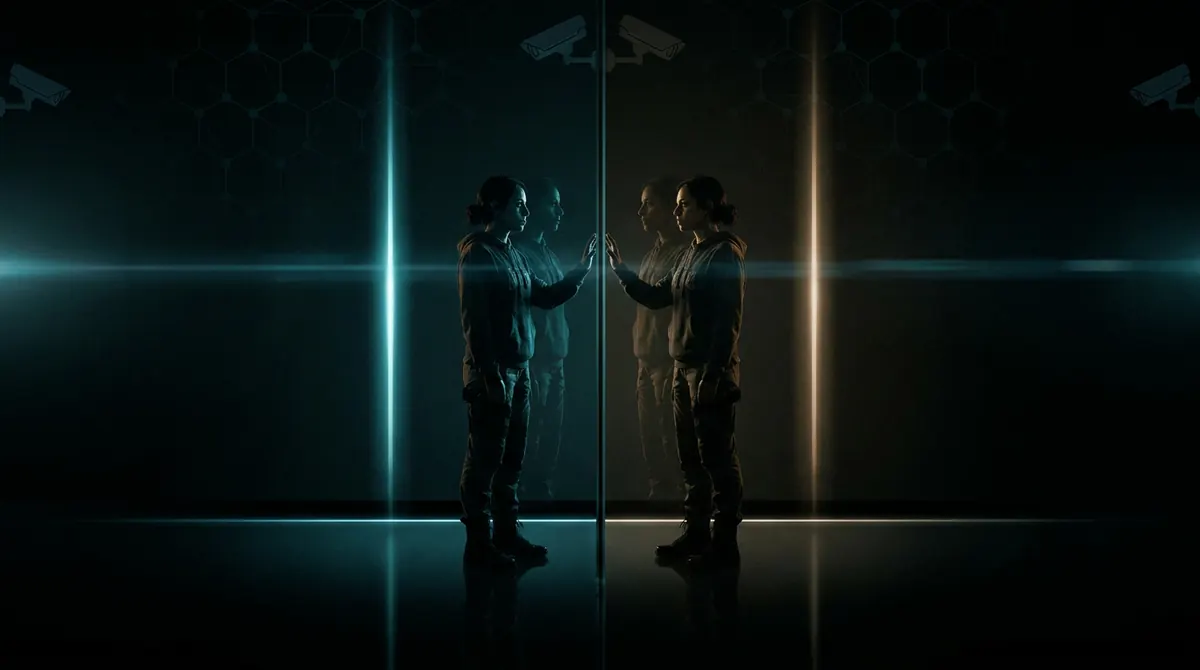
Concept art
Key art and keyframes for The Mirror Protocol.












Portfolio
Two investments, both running on Cortex in different forms. They take more than the technology: we consult on the architecture and sit in their feedback loop. Around them sit many experimental projects, some live, some in beta and a few still in development; two of the smaller proofs, AI Voice and generative podcasts, are in development, and neither is a company.
Leviathan
Coastal intelligence for marine conservation. Automated ocean observatories watch for whales through fog, glare and darkness, and LeviathanOS turns the sensor stream into auditable, report-ready evidence. First observatory live at MBARI in Moss Landing.
Runs on CortexWay2Wise
Practice the human side of engineering. Their EQ Agent walks engineers through a listen, reflect and try loop on the interpersonal moments that stall projects.
Runs on Cortex
Pay the setup cost once.
The HangarX thesis
Role
HangarX builds vertical AI products on shared parts, so the setup cost is paid once and the next venture starts from a running system. Before HangarX, our team worked with the NFL, NBC, Fox Sports and Univision.
Technical direction
Co-founder and CTO. Every engineering project in the lab is mine to run: architecture, direction and a good share of the code.
Cortex
Built the knowledge engine first: graph, retrieval, memory, orchestration. Now in maintenance, running our own work, two portfolio companies and the Obsidian plugin.
Northlit
The current build: an AI design suite for the design community, and the tool behind all of HangarX's creative.
Design & engineering
Design and implementation in one pair of hands, so the craft bar holds end to end.
- Applied / agentic AI
- Shared platform infrastructure
- Vertical SaaS for services
- Product design
- Full-stack engineering
- 0 → 1 product strategy
What I’d tell you over coffee
The model is the cheap part.
What costs months is everything around it: getting real context into a form a model can use, retrieval that finds the right thing, memory that lasts, agents that stay honest. Pay that once, give it a name, and every product after starts from a running system. And when a thing does its job, let it be finished; Cortex is, so the effort moved on.
Next
HangarX is early and building in the open.
Visit hangarx.ai ↗